


General
The Selection of Morocco National Football Team Players Through Diaspora Sc
August 17, 2026, Madrid
Discover the analytical methodology behind the Morocco national football team and how diaspora scouting helped build one of international football's most competitive squads through the 2022 and 2026 FIFA World Cups.
The remarkable rise of the Morocco national football team on the international stage has attracted the attention of clubs, federations, and football analysts around the world. Beyond the team's performances, Morocco has become a benchmark for its strategic use of scouting, particularly through its diaspora scouting model. By identifying, monitoring, and recruiting talented players born or developed abroad, the federation has successfully built a highly competitive squad capable of competing with the world's elite. This long-term strategy has become an example for other national associations seeking to maximize their talent pool through intelligent player identification.
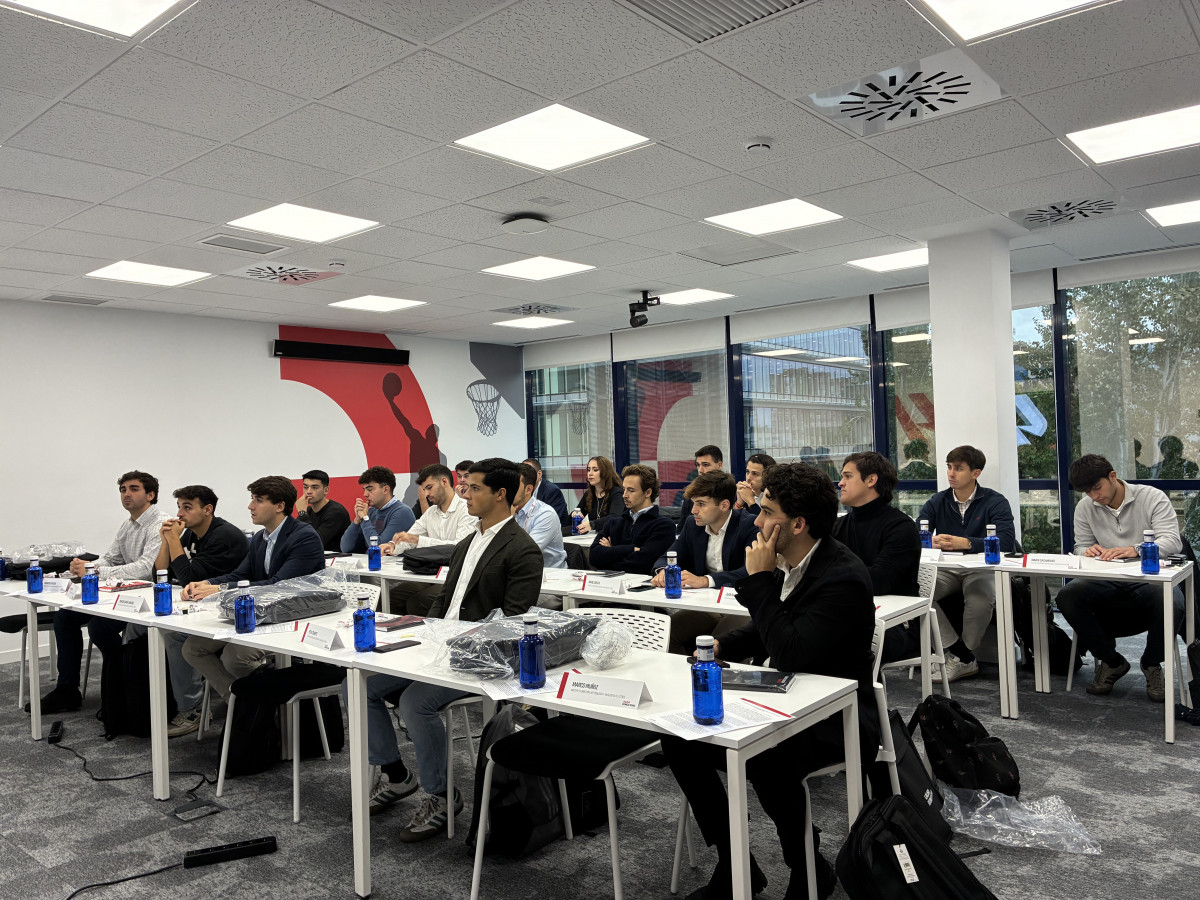
In this context, the Master in Football Coaching, Methodology and Analysis at LALIGA Business School prepares professionals to understand advanced scouting processes, player recruitment, performance analysis, and strategic squad planning. The program provides a comprehensive perspective on how modern football organizations combine methodology, technology, and tactical analysis to make informed sporting decisions that shape the future of clubs and national teams.
Globalization has completely transformed the way football talent is identified. Today, many elite players develop their careers outside the country they are eligible to represent, making international scouting networks more important than ever. The experience of the Morocco national football team demonstrates that a structured scouting system makes it possible to identify exceptional talent, strengthen the national team, and create a sustainable sporting project over multiple generations.
What Is Diaspora Scouting?
Scouting within the diaspora refers to the process of identifying, evaluating, and monitoring footballers who have been born or trained in other countries but are eligible to represent their family's nation through nationality or FIFA eligibility regulations. This model combines sporting analysis with international regulations and long-term strategic planning.
More and more football federations are adopting this approach to expand their talent pool. In today's global football landscape, thousands of young players are developed in elite academies across Europe and other continents. Restricting recruitment solely to domestic competitions would mean overlooking a significant number of high-potential players.
An effective diaspora scouting system requires a coordinated network of scouts, analysts, coaches, and sporting directors who continuously monitor players competing across different leagues and age categories. Besides technical ability, federations also evaluate mentality, tactical understanding, adaptability, and commitment to representing the national team.
Morocco's experience clearly demonstrates that scouting is not simply about discovering talented footballers. It is equally about building long-term relationships with players and their families while creating confidence in the national sporting project.
The Morocco National Team Model
The Morocco national football team has spent more than a decade developing an international recruitment strategy based on identifying elite footballers across the Moroccan diaspora. Many current Morocco players were developed in prestigious academies in France, Spain, Belgium, the Netherlands, and Italy, benefiting from some of Europe's highest standards of football education.
Rather than viewing this reality as a challenge, the Royal Moroccan Football Federation transformed it into a competitive advantage. A permanent international scouting network was created to identify talented players from an early age while maintaining continuous contact throughout their development.
This long-term approach encouraged many footballers to choose Morocco when making international career decisions. The confidence generated by the federation, together with a clearly defined sporting project, proved decisive in convincing many dual-nationality players to represent the country.
Following the team's impressive performances at both the 2022 FIFA World Cup and the 2026 FIFA World Cup, the Morocco national football team has firmly established diaspora scouting as one of the foundations of its sporting strategy. Continuous international talent identification has enabled Morocco to remain competitive while strengthening its position among the world's leading national teams.
Morocco Players as an Example of Long-Term Planning
Many of today's Morocco national football team players perfectly illustrate the success of this international recruitment strategy. Footballers trained in some of Europe's finest academies have brought technical quality, tactical maturity, and valuable experience from the continent's top leagues.
The diversity of these footballing backgrounds has enriched Morocco's style of play while creating a balanced squad capable of competing against the strongest national teams. This was not the result of short-term decision-making but rather years of strategic planning by the federation's sporting department.
The performances delivered during the 2026 FIFA World Cup once again highlighted the importance of maintaining a structured international scouting system. Regardless of tournament results, Morocco demonstrated the value of selecting players who not only possess exceptional talent but also fit the team's tactical identity and long-term vision.
This approach confirms that modern scouting extends far beyond identifying gifted footballers. It is a strategic methodology based on planning, analysis, and sustainable squad development.
The Importance of Data Analysis in Modern Scouting
Modern scouting combines traditional observation with advanced data analysis, allowing clubs and national teams to evaluate footballers more accurately than ever before. Live observation remains essential, but today's sporting departments also rely on video platforms, physical metrics, tactical data, and performance indicators to support recruitment decisions.
For the Morocco national football team, this analytical approach has made it possible to monitor numerous Morocco players competing across Europe's leading leagues. Through technology, analysts can compare players objectively, monitor their long-term development, and evaluate their sports performance within Morocco's tactical framework.
Data analysis also helps identify performance trends by measuring offensive contribution, defensive actions, decision-making, positional intelligence, and overall influence on matches. These objective indicators complement the qualitative assessments provided by experienced scouts.
Nevertheless, technology cannot replace human expertise. Professional scouts remain responsible for interpreting this information within each player's competitive context. The combination of football knowledge and technological innovation has become one of the defining characteristics of modern scouting.
The 2026 FIFA World Cup Reinforced the Value of Diaspora Scouting
Following the global recognition earned after the 2022 FIFA World Cup, Morocco's participation in the 2026 FIFA World Cup once again demonstrated the strength of the federation's long-term sporting project. Regardless of the team's final results, Morocco continued to rely on a squad built through years of international talent identification across multiple countries.
The federation's extensive scouting structure enabled the coaching staff to work with a balanced group of experienced professionals developed in some of Europe's strongest football environments. This international recruitment strategy has significantly expanded the quality and depth available to the national team.
The 2026 tournament also confirmed that diaspora scouting is not a temporary solution but a sustainable sporting philosophy. Continuous monitoring of young dual-nationality players remains essential for maintaining competitiveness while preparing future generations of international footballers.
Every World Cup cycle reinforces the same lesson: planning, methodology, and long-term analysis are just as important as individual talent. Morocco has successfully transformed its international scouting network into a genuine competitive advantage.
What Other Federations Can Learn from Morocco
The experience of the Morocco national football team shows that simply having access to talented footballers is not enough to achieve international success. The real competitive advantage lies in identifying, convincing, and developing those players within a structured long-term sporting project.
Many national associations have large diaspora communities, yet very few have developed scouting systems as comprehensive as Morocco's. Close cooperation between scouts, analysts, coaches, and federation executives has created a sustainable structure capable of surviving managerial changes while maintaining sporting continuity.
Another key lesson is the importance of creating a genuine sense of belonging among dual-nationality players. Regular communication, family engagement, and presenting a clear sporting vision have played a decisive role in persuading many footballers to represent Morocco.
Ultimately, successful scouting begins years before the first international call-up. It is built through planning, analysis, trust, and a long-term commitment to talent development.
The Future of International Scouting in Football
Globalization will continue transforming scouting over the coming years. Clubs and national teams are expected to expand their international recruitment networks while increasingly relying on data analytics, video analysis, artificial intelligence, and digital performance platforms.
At the same time, human expertise will remain indispensable. Technology provides valuable information, but experienced scouts continue to play a crucial role in evaluating personality, adaptability, tactical intelligence, and long-term potential.
Understanding modern scouting methods will become increasingly important for professionals working within football organizations. The ability to identify talent, analyze performance, and project future development will remain one of the industry's most valuable competitive advantages.
The recent success of the Morocco national football team proves that carefully designed scouting methodologies can transform the competitive level of an entire national program. The selection of Morocco national football team players through diaspora scouting demonstrates that international success depends not only on talent, but also on strategic planning, analytical expertise, and long-term vision. As football continues to globalize, the federations best prepared to identify and develop international talent will remain among the sport's leading nations.

