


General
Image Rights in Sports
March 30, 2026, Madrid
Guide to image rights in sports. Learn how athletes’ image rights are protected, how the Spanish Law 1/1982 works, and the legal limits involving clubs and the media.
Athletes’ image rights have become one of the most valuable assets in today’s global sports industry. Beyond on-field performance, their media presence, commercial appeal, and influence across digital platforms have made image rights a central element of both legal protection and commercial strategy. As social networks elevate the visibility of professional and amateur athletes alike, understanding how their image is protected and how it can be commercially exploited has become essential for clubs, agents, brands, and athletes themselves.
Specialized Training and the Professional Context
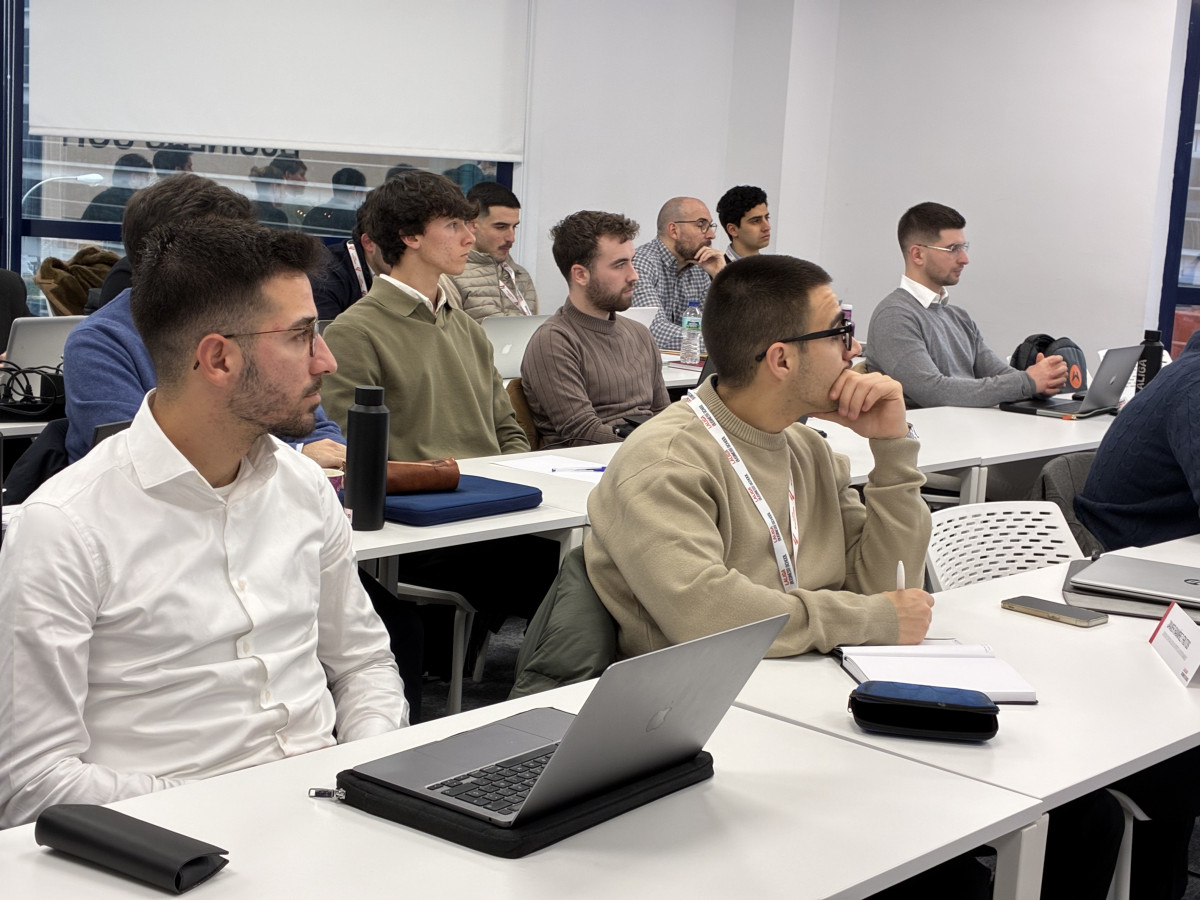
Within this evolving ecosystem, the Master in Sports & Entertainment Law at LALIGA Business School trains professionals to fully understand the legal framework surrounding image rights, including contractual negotiation, protection mechanisms, and conflict resolution in cases arising from media or commercial misuse of an athlete’s likeness.
What Are Image Rights?
Image rights refer to the legal protection of a person's identifiable physical attributes—such as their face, voice, name, or any feature that enables recognition. In sports, this right becomes especially relevant due to the high public exposure that characterizes athletes’ careers. Their likeness often becomes a commercial asset leveraged by clubs, sponsors, brands, broadcasters, and digital platforms.
Dimensions of Image Rights
Image rights contain two key dimensions:
-
Negative dimension: the right to prevent unauthorized use or distribution of one’s image.
-
Positive dimension: the right to authorize, license, and commercially exploit one’s image through contracts or sponsorships.
Legal Framework: Constitution and Law 1/1982
In Spain, image rights are protected under Article 18.1 of the Constitution, which safeguards honor, personal and family privacy, and the right to one's own image. This principle is further articulated in Organic Law 1/1982, which regulates consent, exceptions, and compensation for unlawful intrusions.
Key Elements of Law 1/1982
-
Unauthorized capture, reproduction, or publication of images in private spaces is prohibited.
-
Images taken in public spaces may be used for informational purposes but not for commercial exploitation without explicit consent.
-
Protection applies against uses that harm the dignity or honor of the athlete.
-
Athletes may claim damages for violations.
In practice, these legal protections interact with contractual agreements negotiated between athletes, clubs, sponsors, and third parties.
Image Rights in Contracts with Clubs
When signing with a club, it is common for athletes to partially assign their image rights, allowing the organization to use their image for defined institutional or promotional purposes. However, such assignments are always limited and regulated.
Limits and Requirements for Assignment
-
Contracts must define purpose, territory, and duration of the assignment.
-
Athletes remain the owners of their image rights at all times.
-
Clubs cannot use the athlete’s image for commercial purposes not specifically agreed upon.
-
The use must respect the athlete’s dignity, reputation, and professional integrity.
In large competitions, leagues, and international tournaments, collective rights add additional complexity.
Commercial Exploitation: Sponsorship and Endorsements
Commercial exploitation of image rights is a major revenue stream for athletes at all levels. Sponsorships, advertising campaigns, event appearances, social media collaborations, and ambassador roles are common ways athletes monetize their public image.
Principles for Lawful Exploitation
-
Explicit written consent of the athlete.
-
Clear financial compensation, whether fixed, variable, or royalty-based.
-
Compatibility with existing contracts, especially club or team sponsors.
-
Defined scope of use, avoiding unlimited or ambiguous exploitation.
Taxation, contractual structure, and enforcement against unauthorized uses are critical considerations in these agreements.
Image Rights vs. Freedom of Information: The Media’s Role
Tensions often arise between the right to one’s image and the freedom of the press. While media outlets may publish images for legitimate news reporting, such use cannot cross into commercial exploitation or violate privacy or dignity.
Jurisprudence and Common Criteria
-
Newsworthiness: images used in legitimate news reporting are generally permissible.
-
Commercial prohibition: using an athlete’s image in advertising requires consent.
-
Public spaces: images taken in public areas may be used for informational—not commercial—purposes.
-
Protection of minors: special consent and safeguards apply.
Sports lawyers must therefore master both statutory law and case-specific jurisprudence.
Frequent Conflicts and Emerging Challenges
Common disputes in sports related to image rights include:
-
Unauthorized commercial use by brands or third parties.
-
Conflicts between clubs and players regarding overly broad contract clauses.
-
Sensationalist media publications or paparazzi photos.
-
Unauthorized use on digital platforms or social media.
-
Tax-related challenges in structuring image-rights income.
Challenges in the Digital Era
New technologies create additional legal risks:
-
Deepfakes and manipulated videos.
-
Viralization of unauthorized content.
-
Use of an athlete’s image in AI-generated content.
-
Monetization of images on emerging platforms.
All of these demand updated legal strategies and increasingly sophisticated protection mechanisms.
The image rights of athletes are a foundational legal and commercial component of modern sports. Proper management requires detailed contractual drafting, legal expertise, effective monitoring, and adaptation to the rapidly evolving digital environment. For athletes, clubs, agencies, and brands, safeguarding these rights is essential to ensuring both commercial success and personal protection.

